 Facebook
 X
X
 Pinterest
 Copy Link
Color Psychology 101: How to Use Decor Accents to Transform Your Living Space
Ever wonder why some rooms make you feel instantly calm while others energize you? Welcome to the fascinating world of color psychology, where the right hue can transform your living space into a sanctuary or a lively gathering spot. As a real estate agent with an eye for interior design, I’ve seen firsthand how a splash of color can elevate a room from drab to fab, making it feel brand new without breaking the bank. Whether you’re a homeowner eager to refresh your abode, a DIY enthusiast ready to roll up your sleeves, or an interior decorator seeking fresh inspiration, understanding the magic of decor accents and color schemes is key. In this guide, we’ll explore painting tips and tricks to harness the power of color psychology, ensuring your next home decorating project is both stylish and strategically savvy.
Impact of Color Psychology
Color psychology plays a crucial role in interior design, influencing our emotions, behaviors, and overall well-being. Understanding how different hues affect us can help create spaces that not only look beautiful but also support our mental and emotional states.
Transforming Moods with Color
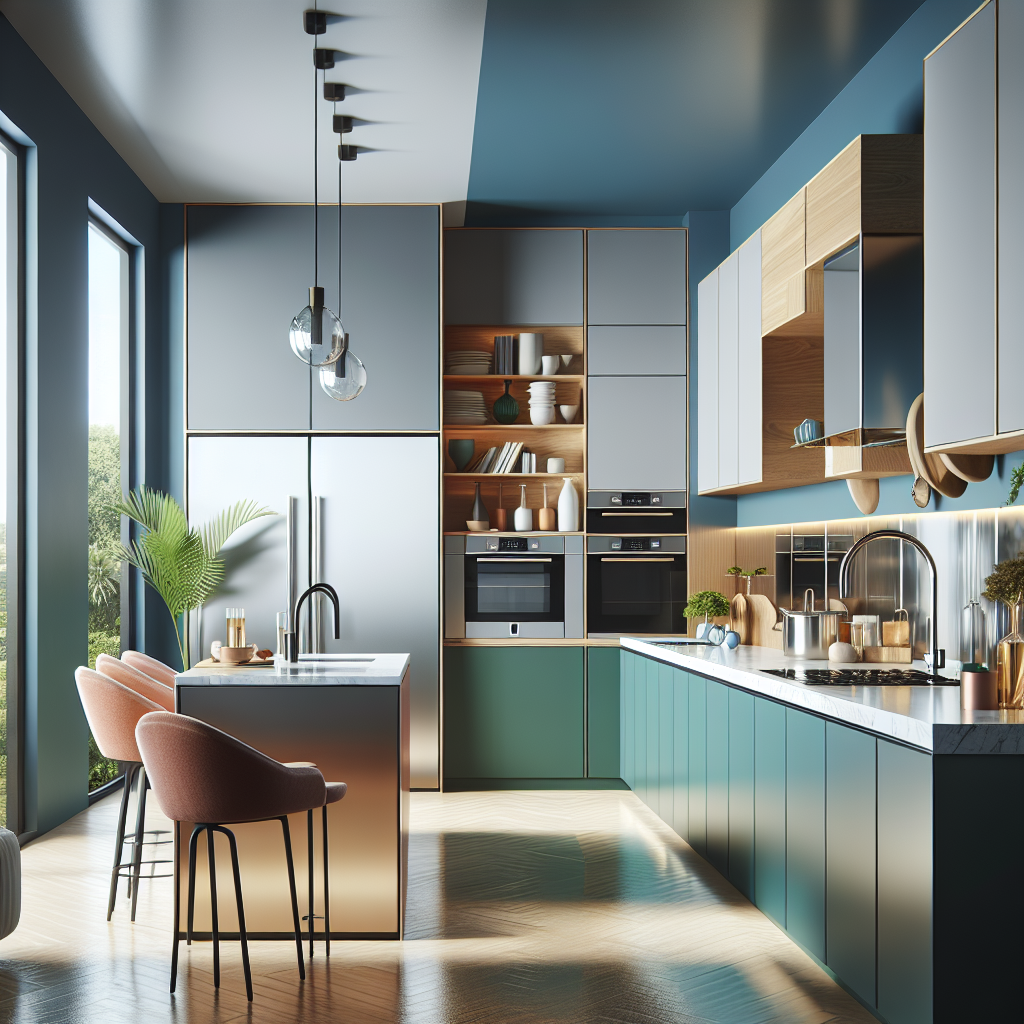
Colors have the power to evoke specific emotions and alter our moods. Warm colors like reds, oranges, and yellows tend to energize and stimulate, while cool colors such as blues, greens, and purples often promote relaxation and calmness.
For example, red can increase heart rate and stimulate appetite, making it an excellent choice for dining rooms. On the other hand, blue is associated with tranquility and can help reduce stress, making it ideal for bedrooms or home offices.
It’s important to consider the function of each room when selecting colors. A vibrant yellow might be perfect for a creative workspace but overwhelming in a bedroom where rest is the primary goal.
Choosing the Right Color Schemes
Selecting the right color scheme is crucial for creating a harmonious and visually appealing space. There are several approaches to combining colors effectively:
-
Monochromatic: Using various shades and tints of a single color
-
Complementary: Pairing colors opposite each other on the color wheel
-
Analogous: Using colors adjacent to each other on the color wheel
When choosing a color scheme, consider the existing elements in your space, such as flooring, furniture, and architectural features. These should inform your color choices to ensure a cohesive look.
Remember that lighting plays a significant role in how colors appear. Natural and artificial light can dramatically alter the perception of color, so always test paint samples in the actual space before committing.
Enhancing Spaces with Decor Accents
Decor accents offer a versatile way to introduce color into your space without committing to painting entire walls. These elements can include throw pillows, area rugs, artwork, and decorative objects.
Using accents allows you to experiment with bolder colors or trends that you might be hesitant to use on a larger scale. For instance, a vibrant piece of artwork can serve as a focal point and inject energy into an otherwise neutral room.
When incorporating accents, aim for balance and cohesion. Use the 60-30-10 rule as a guide: 60% of the room should be a dominant color, 30% a secondary color, and 10% an accent color. This creates a visually pleasing and well-balanced space.